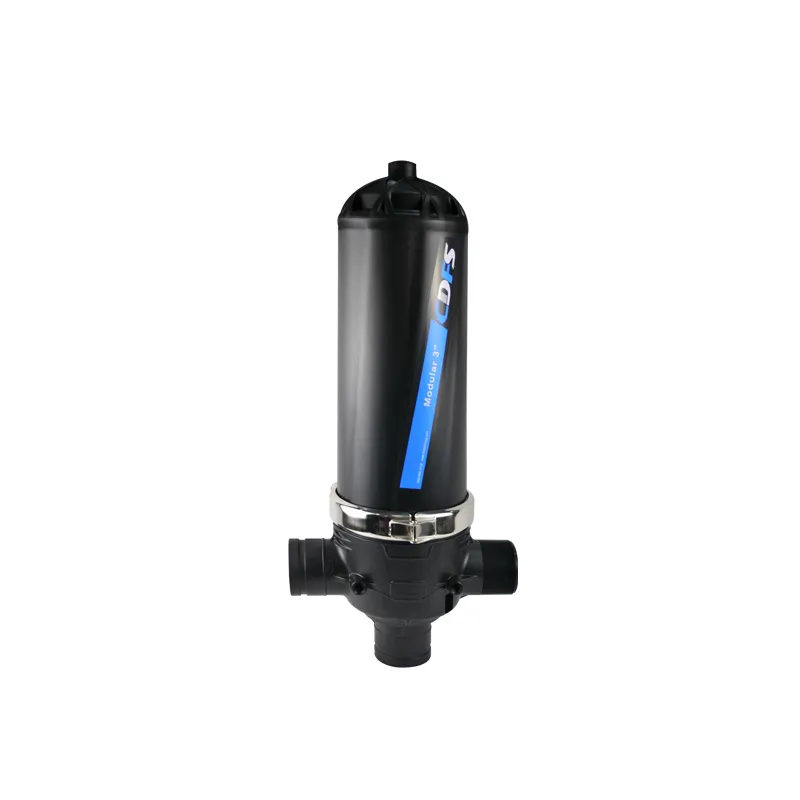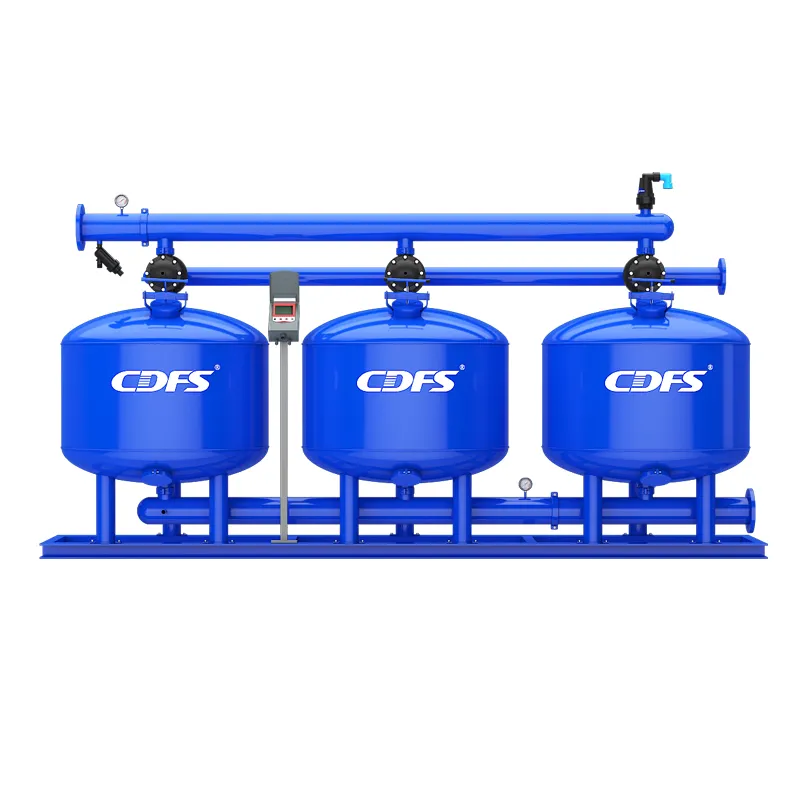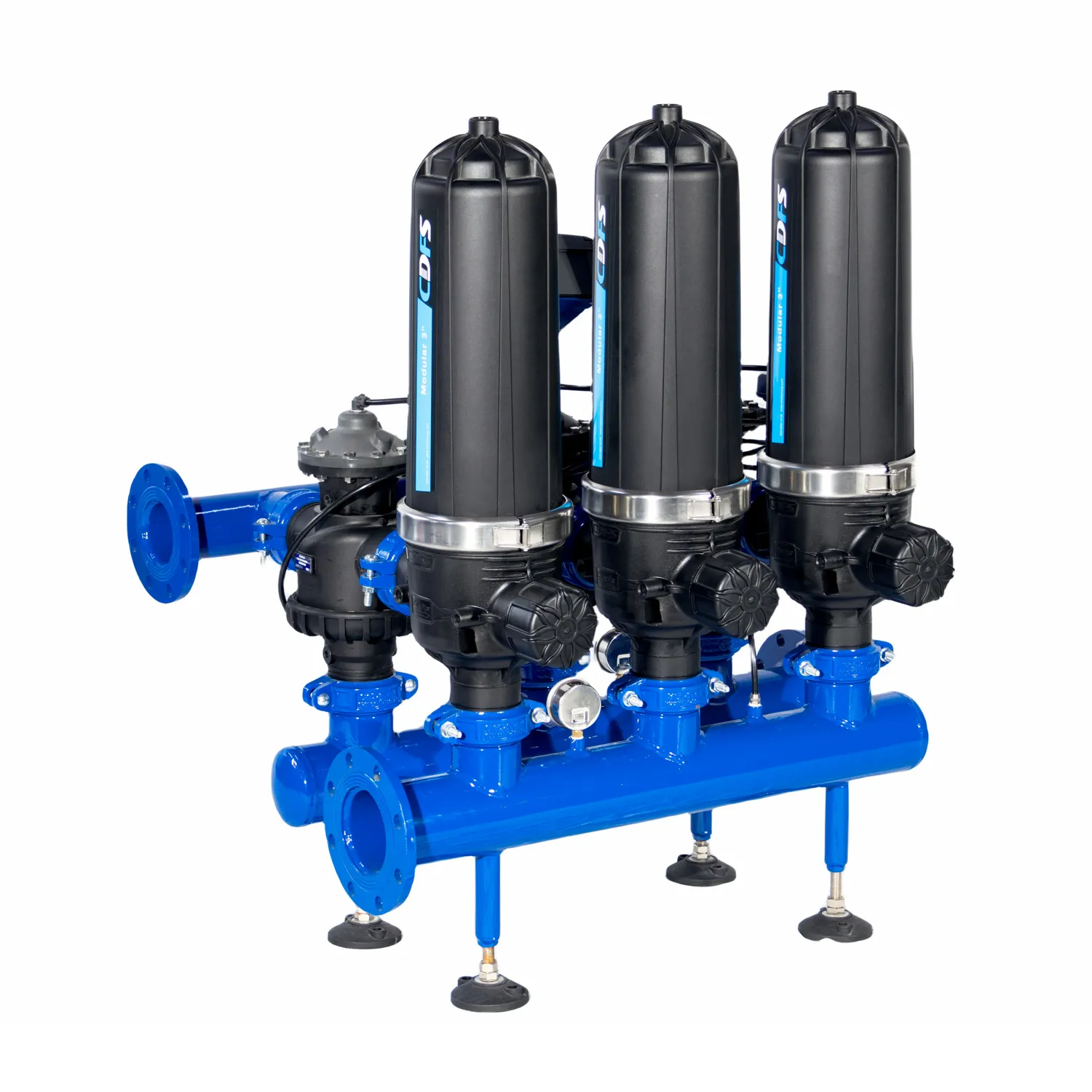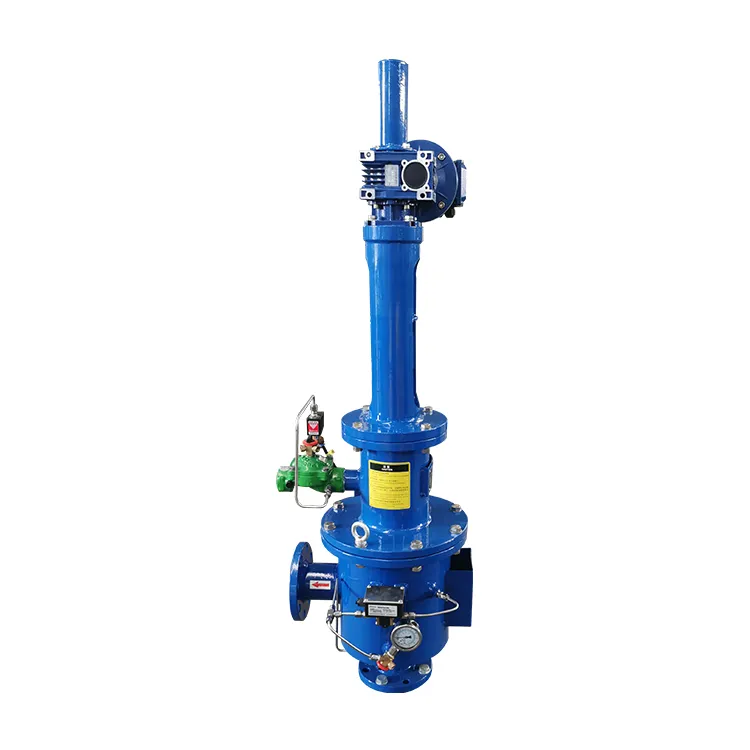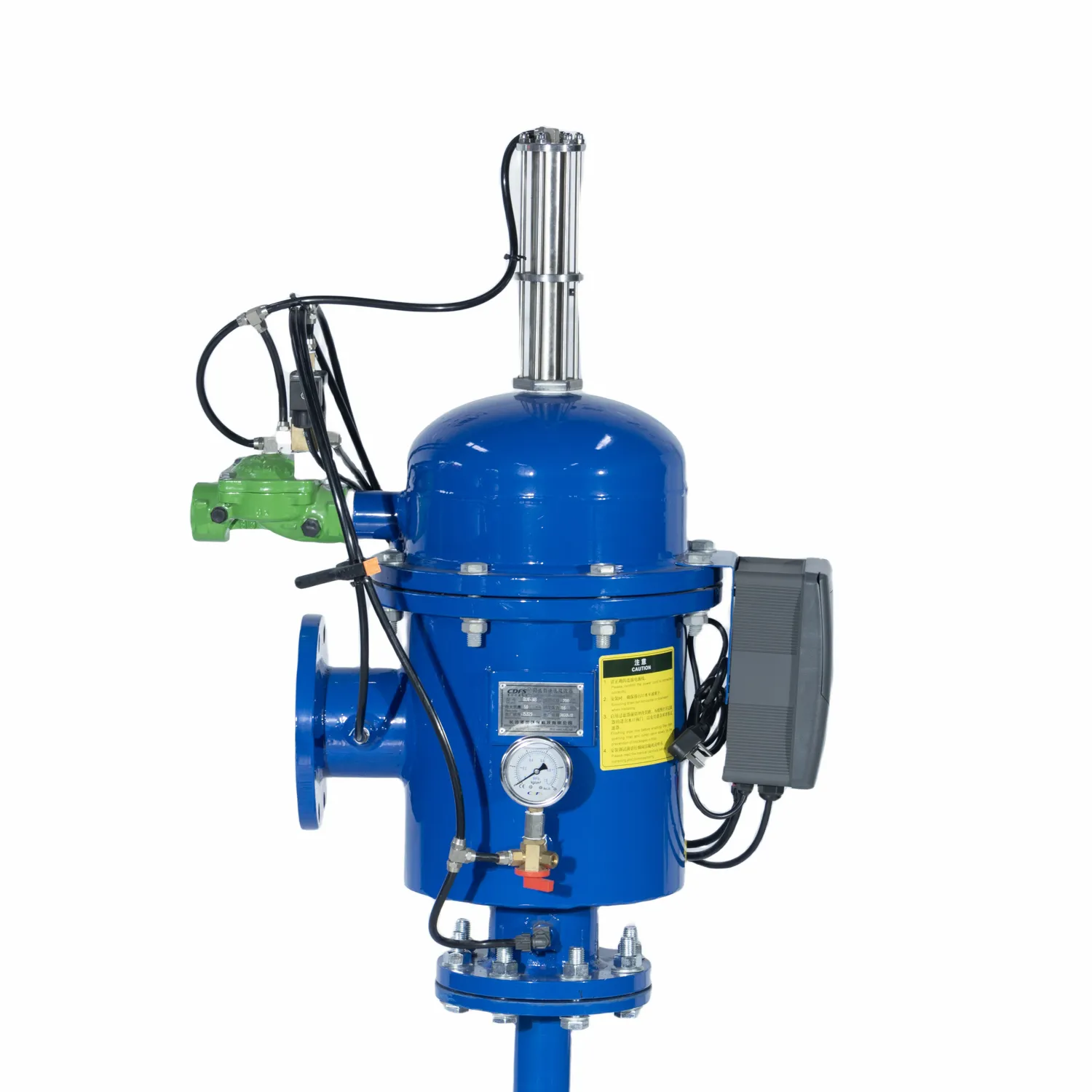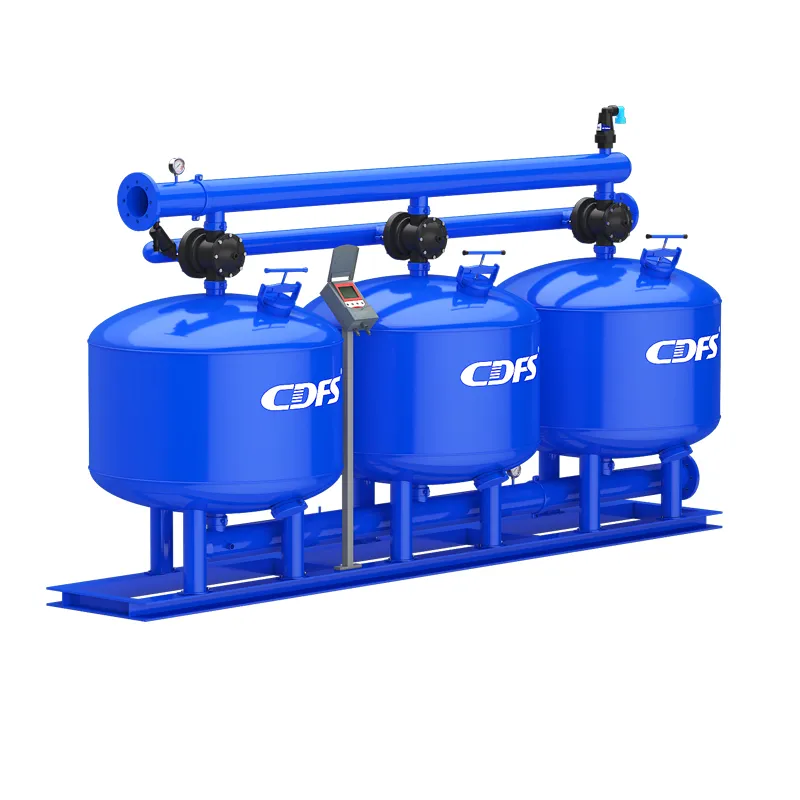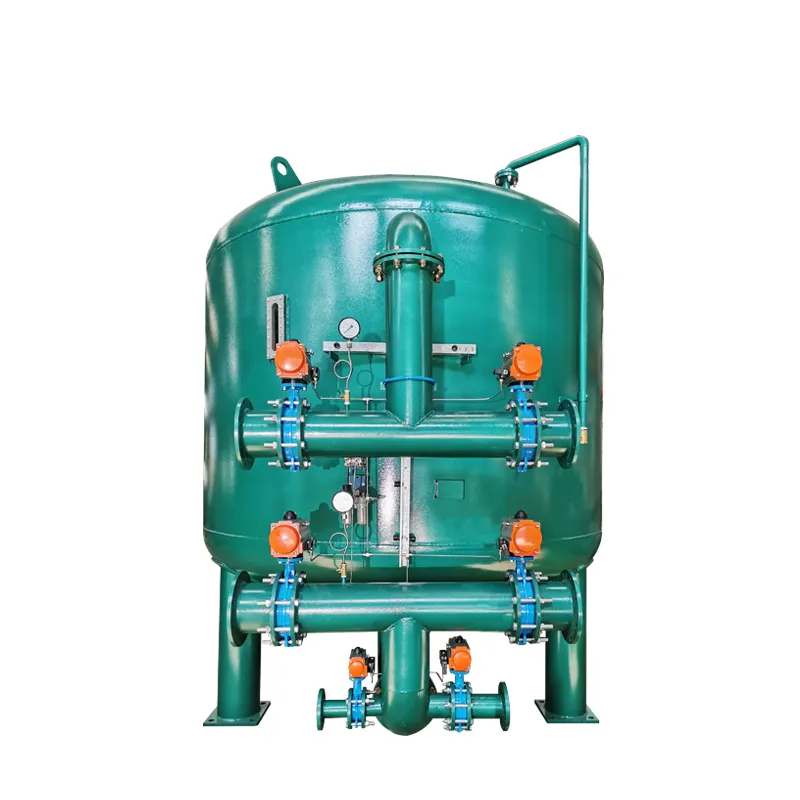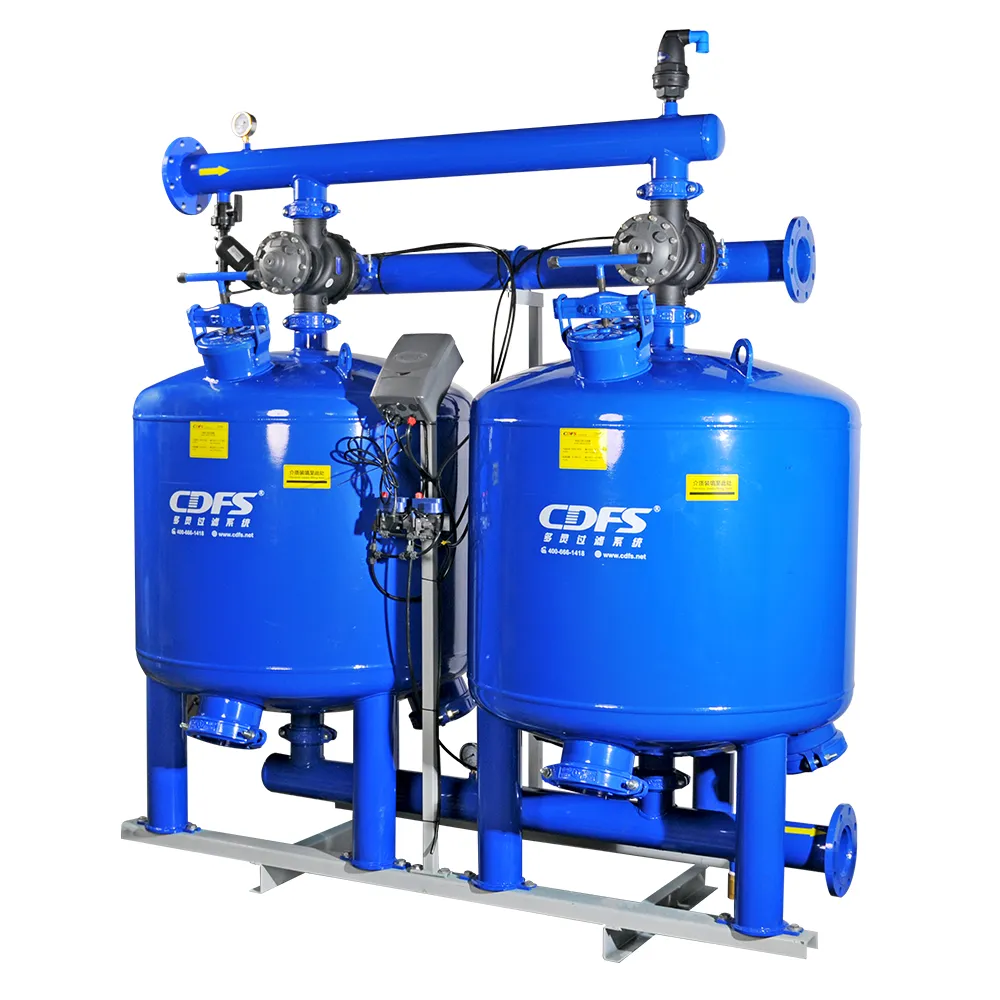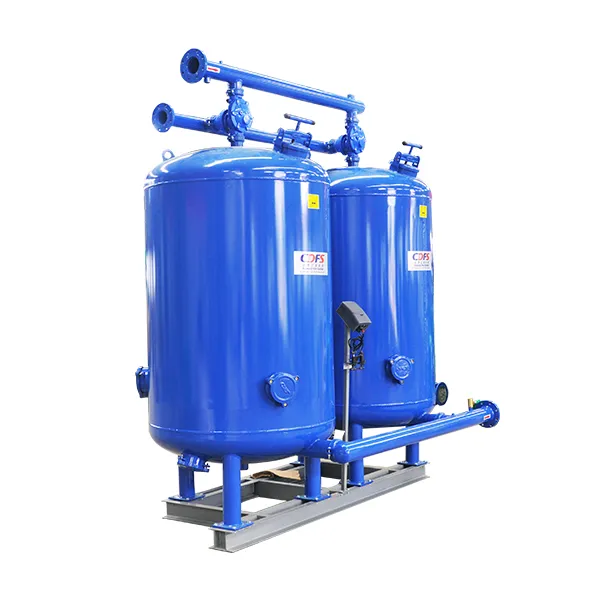
filtration system for irrigation improve system efficiency by maintaining optimal water pressure and flow rates. By removing sand, silt, and organic matter before they reach irrigation lines, they prevent wear and tear on components and eliminate unnecessary pressure drops. This ensures efficient energy use, lowers pumping costs, and extends the service life of the entire irrigation system.
Efficient filtration by filtration system for irrigation helps maintain consistent system pressure, reducing leaks and water loss due to sediment build-up. This supports water conservation goals and lowers operational expenses by optimizing irrigation performance and minimizing waste, which is increasingly important in regions facing water scarcity and agricultural sustainability challenges.
Q: What materials are typically used to construct the filter housing in irrigation filter? A: The filter housing of irrigation filter is commonly made from durable materials like stainless steel, fiberglass-reinforced plastic, or coated carbon steel, chosen for their corrosion resistance and ability to withstand high pressure and harsh environmental conditions. Q: How do irrigation filter handle variations in water quality and sediment load? A: Irrigation filter are designed with adaptable media beds and backwash cycles that can be adjusted to accommodate fluctuating water quality and sediment concentrations, ensuring consistent filtration performance even under variable conditions. Q: Can irrigation filter be customized for different industrial applications? A: Yes, irrigation filter can be tailored in terms of size, media type, and filtration capacity to meet specific industrial requirements, such as wastewater treatment, process water filtration, or cooling tower makeup water purification. Q: What safety considerations are important when operating irrigation filter? A: Operators should ensure proper pressure relief systems are in place, conduct regular inspections for wear or damage, and follow manufacturer guidelines for backwashing and media replacement to prevent equipment failure or safety hazards. Q: How does automation enhance the operation of irrigation filter? A: Automation in irrigation filter allows for precise control of backwash cycles, flow rates, and pressure monitoring, reducing manual intervention, minimizing downtime, and optimizing filter performance for consistent water quality.
This media filter softens our irrigation water while removing suspended solids effectively. It prevents blockages and scaling, which has improved overall system reliability.
Our water quality has improved thanks to this media filter. It removes fine particles and adsorbs contaminants, preventing scaling and protecting pipes.
To protect the privacy of our buyers, only public service email domains like Gmail, Yahoo, and MSN will be displayed. Additionally, only a limited portion of the inquiry content will be shown.
Requesting quotation for automatic disc filters, 100–300 micron filtration, suitable for industria...



 EN
EN
 FR
FR
 NL
NL
 RU
RU
 AR
AR
 VI
VI
 LO
LO
 RO
RO
 TH
TH
 MY
MY
 MS
MS
 PT
PT
 ES
ES
 KO
KO
 BE
BE
 JA
JA
 FIL
FIL
 KA
KA
 DE
DE
 IT
IT